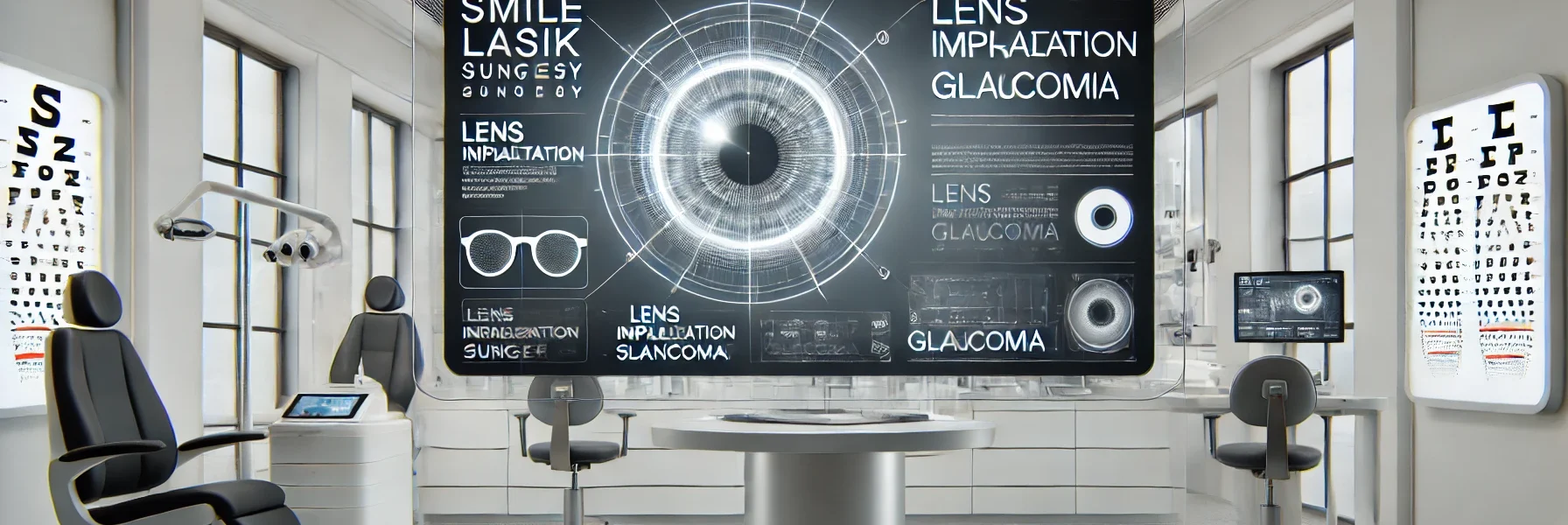

If you’re considering vision correction surgery, you’ve likely come across SMILE LASIK. SMILE, which stands for Small Incision Lenticule Extraction, is a revolutionary procedure that has changed the landscape of eye care, providing an alternative to traditional LASIK. SMILE LASIK promises to correct refractive vision problems like myopia, astigmatism, and hyperopia with a minimally invasive technique. However, before you decide on this procedure, understanding the costs, recovery process, and necessary precautions is essential to making an informed choice.
What is SMILE LASIK?
SMILE LASIK is an advanced, minimally invasive eye surgery that corrects common refractive errors, such as myopia (nearsightedness) and astigmatism. Unlike traditional LASIK, which involves creating a large flap in the cornea, SMILE LASIK only requires a small incision. This results in less trauma to the cornea, which may lead to faster healing and fewer complications.
During the SMILE LASIK procedure, a femtosecond laser creates a small lens-shaped piece of tissue (called a lenticule) inside the cornea. The lenticule is then removed through a small incision, allowing the cornea to reshape and correct vision. The procedure is precise and leaves no visible flap, which is often the cause of complications in traditional LASIK procedures.
SMILE LASIK Costs: What You Need to Know
The cost of SMILE LASIK surgery can vary depending on several factors, including the clinic, location, and the specific needs of the patient. Typically, the price ranges from $2,000 to $3,000 per eye. It’s important to remember that this price often includes pre-operative consultations, the surgery itself, and post-operative care. However, additional services like aftercare visits or customized treatment options may result in extra charges.
If you are considering SMILE LASIK in specific regions like Incheon or Gangnam, costs may differ slightly based on the clinic’s reputation and the technology they employ. For example, Gangnam SMILE LASIK clinics are known for using cutting-edge equipment, but this can sometimes increase the overall cost. A common price point for SMILE LASIK in Gangnam can be around 2.2 million KRW (approximately $2,000) per eye. Incheon, being a smaller city compared to Seoul, may offer more competitive rates, but you should always ensure that the clinic provides high-quality service and care.
Precautions Before SMILE LASIK Surgery
Before undergoing any type of LASIK surgery, including SMILE LASIK, there are essential precautions to take. These precautions help to ensure the safety and success of the procedure.manual next📍
- Age and Health Restrictions:
- SMILE LASIK is typically recommended for individuals between the ages of 18 and 45 who have stable vision for at least a year. If you have underlying health conditions, like autoimmune diseases, uncontrolled diabetes, or severe dry eye syndrome, you may not be a good candidate for SMILE LASIK.
- It’s crucial to ensure your corneal thickness is adequate for the procedure, as insufficient corneal tissue can increase the risk of complications.
- Stop Wearing Contact Lenses:
- For accurate measurements, you must stop wearing soft contact lenses at least two weeks before your consultation and hard contacts for at least a month. This is because contact lenses can alter the shape of your cornea, making it harder to determine the exact prescription needed for the surgery.
- Pre-Operative Consultation:
- A comprehensive eye exam is necessary before the procedure. This will assess the health of your eyes and determine if you are a suitable candidate for SMILE LASIK. Your surgeon will check for factors like corneal thickness, pupil size, and any existing eye conditions.
- Avoid Medications That Could Affect Healing:
- Some medications may interfere with your ability to heal after the procedure. Be sure to inform your surgeon about any current medications you are taking. You might need to stop taking specific medications for a short period before the surgery.
Recovery After SMILE LASIK: What to Expect
Recovery after SMILE LASIK is generally faster than with traditional LASIK procedures due to the minimally invasive nature of the surgery. However, there are still several important recovery steps to follow to ensure a smooth healing process.
- Immediate Aftercare:
- Right after the procedure, patients typically experience a few hours of blurred vision, dryness, or slight discomfort. This is normal, and most people can resume their daily activities within a day or two.
- Your surgeon may prescribe eye drops to prevent infection and reduce inflammation, and you may also be advised to wear protective eye shields while sleeping for the first few nights.
- First Week of Recovery:
- The first week after surgery is crucial, and you should avoid activities like swimming, heavy exercise, and exposure to dusty or smoky environments. You can return to most of your daily activities, such as work or reading, within a few days, but it’s important to rest your eyes as much as possible.
- Follow-Up Appointments:
- You’ll need to visit the clinic for follow-up appointments to monitor your progress and ensure that your eyes are healing properly. These visits are crucial to catch any early signs of complications, such as infection or dry eyes.
- Long-Term Care:
- While the majority of patients see improvement in their vision within a few days to a week, it can take a few months for the full benefits to be realized. Patience is key, and any minor visual disturbances typically resolve over time.
Understanding the Risks and Possible Complications
Like any surgical procedure, SMILE LASIK carries risks, although they are rare. Some potential risks include:
- Astigmatism After SMILE LASIK: In some cases, patients may develop astigmatism following the surgery, which could require additional treatment to correct.
- Dry Eyes: Some people experience temporary or persistent dry eyes after the procedure. If this occurs, your surgeon may recommend special eye drops or other treatments to help alleviate the condition.
- Infection or Inflammation: As with any surgery, there’s a slight risk of infection or inflammation in the eye. Following all aftercare instructions and attending follow-up appointments reduces this risk.
Is SMILE LASIK Right for You?
Deciding if SMILE LASIK is the right choice for you depends on various factors, including your overall eye health, lifestyle, and budget. If you’re tired of relying on glasses or contacts and want a permanent solution for refractive errors, SMILE LASIK could be a great option. For more information about SMILE LASIK costs, procedures, and clinics, visit SNU Eye Clinic to explore further details and book a consultation.